
Best All-Inclusive Wedding Packages for Stress-Free Brides


Planning a wedding is exhausting. You're comparing caterers, negotiating with photographers, tracking down florists, and somehow remembering which cousin can't eat dairy.
Here's the thing: all-inclusive wedding packages fix most of that headache. One venue, one contract, one team that handles everything from your ceremony to the last dance.
These packages work for intimate weddings, big celebrations, and destination weddings. Instead of being your own project manager, you show up and enjoy your day.
Let's look at what you actually get and how to pick the right one.
What's Actually in These Packages?
"All-inclusive" means different things at different places. But most good packages cover:
The basics:
Venue for ceremony and reception (usually 6-8 hours)
Food—plated dinner or buffet, plus apps and drinks
Someone to coordinate everything on your wedding day
Tables, chairs, linens
Basic decorations like centerpieces
Bar service with beer, wine, cocktails
Common upgrades that get bundled in:
Photography (6-10 hours of coverage)
DJ or band
Wedding cake
Flowers for ceremony and tables
Hair and makeup for you and your bridesmaids
Hotel room for the couple
But here's what trips people up: some places call themselves "all-inclusive" and then nickel-and-dime you. The cake cutting costs extra. Upgraded linens cost extra. Suddenly your $15,000 package is $22,000.
Ask for an itemized list. If they won't give you one, walk away.
Types of Packages You'll Find
Hotel and Resort Packages
Big hotels have done this thousands of times. They have in-house catering, their own coordinators, and vendor lists they trust.
Good for: You want easy. One point of contact. Especially helpful if your guests need hotel rooms anyway.
Cost: $8,000–$30,000+ depending on how many people and where you are.
Destination Weddings
Resorts in Mexico, the Caribbean, Hawaii. They specialize in turnkey weddings. A lot of them include room blocks and welcome parties too.
Good for: Smaller weddings (20-75 guests) where you want a vacation vibe. Often cheaper per person than hometown weddings.
Cost: $5,000–$20,000 for you two. Guests pay their own way.
Restaurants and Private Estates
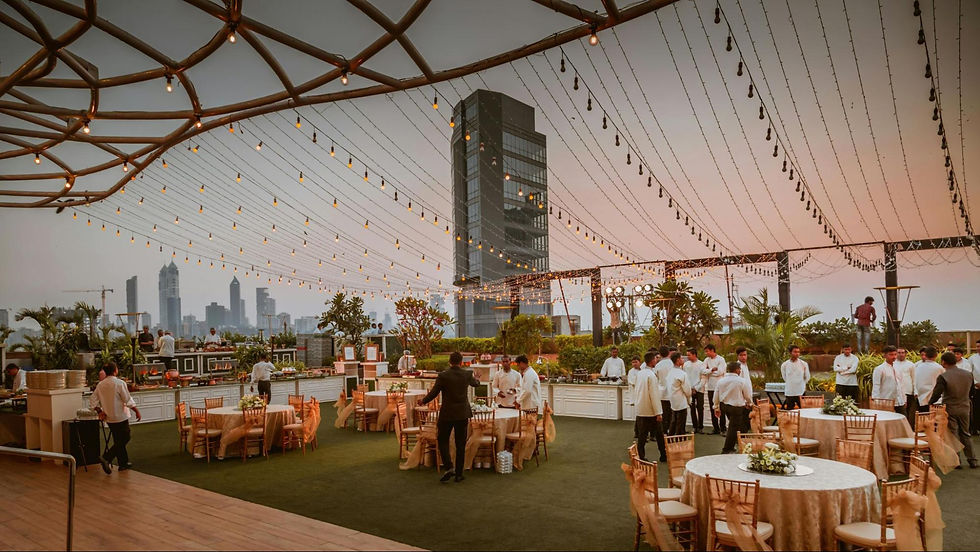
Smaller, more personal. Great food, unique spaces. Think vineyards, historic mansions, rooftop venues.
Good for: You care a lot about food. You want something that feels less cookie-cutter.
Cost: $10,000–$40,000 depending on how fancy.
Micro-Weddings
Packages built for 2-25 guests. Stripped down to what matters—short timeline, simple menu, good photos.
Good for: You want intimate. Or you're doing a small legal ceremony now and a party later.
Cost: $2,000–$8,000.
How to Pick the Right One


Step 1: Figure Out What You Can Actually Spend
Don't just budget for the package price. You'll add things. Better photos. Nicer flowers. Welcome gifts.
Here's a rule that works: if your total budget is $20,000, plan on $14,000 for the package and keep $6,000 for extras.
Most couples blow past their budget because they forget about tips, taxes, and all the little upgrades.
Step 2: Know What Actually Matters to You
Sit down with your partner. Make three lists:
Must-haves (like "good food" or "outdoor ceremony")
Nice-to-haves (like "a getting-ready room")
Don't-cares (like "we're fine with basic chairs")
When you know what you actually care about, decisions get way easier.
Step 3: Compare Real Numbers
Make a spreadsheet. Compare:
Price per guest
What's included vs. what costs extra
Vendor quality (look at the photographer's work, taste the food)
How flexible they are
Their cancellation policy
What recent couples say in reviews
"We didn't stress about a single thing. The coordinator handled everything and the food was incredible." — Sarah & Mike, Boston
Step 4: See It in Person

Photos lie. That "bright, airy ballroom" might face a parking lot. The "spacious suite" could be tiny.
When you visit, check:
How sound carries (does everything echo?)
Lighting at the time your ceremony would happen
Are there enough bathrooms?
Parking situation
What happens if it rains (for outdoor spots)
Step 5: Read Every Word of the Contract
Boring? Yes. Important? Absolutely.
Watch for:
Service charges and tips (usually adds 18-25%)
Minimum number of guests required
When payments are due
What happens if you need to cancel
Are you stuck with their vendors or can you bring your own?
What if your party runs late?
Don't sign until you understand everything. If something's unclear, ask them to explain it in writing.
What Different Price Points Get You

Under $10,000
Good for 25-50 guests. Simple food, basic bar, straightforward décor, 4-6 hours of photos. Maybe a restaurant or community space.
You're giving up: lots of customization and premium vendors.
$10,000–$25,000
The sweet spot for 75-125 guests. Good food, full bar, professional coordination, solid photography (6-8 hours), DJ, nice décor. Hotel ballrooms, vineyard estates.
You're giving up: ultra-luxury touches like elaborate flowers or celebrity photographers.
$25,000–$50,000
For 100-200 guests who want the nice version. Multi-course gourmet dinner, top photographers with engagement shoots, live bands, beautiful flowers, stunning venues.
You're giving up: honestly, not much at this level.
$50,000+
No limits. Multi-day celebrations, celebrity planners, venues that cost thousands just to tour. If you're spending this much, you probably already have a planner.
The Good and Bad Parts

What's Good
Way less stress One contract. One person to call. One payment schedule. You're not coordinating a dozen vendors.
You know what it costs No surprise bills (if you read the contract right). You can actually budget.
They've done this before These places host hundreds of weddings. They know how to handle problems, dietary needs, drunk uncles.
Vendors are vetted The photographers and caterers have worked there before. No gambling on random Yelp reviews.
Saves time Planning from scratch takes 200+ hours. Packages cut that to maybe 50-75 hours.
What's Not Great
Less flexible Want that specific photographer you found on Instagram? Too bad if they're not on the approved list.
Hidden costs happen That "$15,000 all-inclusive" might not include parking, upgraded linens, or cake cutting. Read carefully.
Can feel generic When a venue does 100+ weddings a year with the same vendors, events start looking similar.
Minimum guest requirements Many packages need 75-100 guests minimum. Smaller weddings might not qualify.
Dates book fast Popular venues fill up 12-18 months out for Saturdays. Want a June wedding? Start early.
Red Flags to Watch For
Run away if the venue:
Won't show you itemized pricing
Pressures you to book immediately with "only one Saturday left" tactics
Has consistently bad recent reviews
Won't let you use outside vendors no matter what
Charges crazy fees if you want to bring your own photographer
Gets defensive when you ask questions
Has no backup plan for weather
Trust your gut. Plenty of other venues would love your business.
How to Get More for Your Money

Negotiate
Everything's negotiable, especially off-peak dates (November-March). Ask about:
Free upgrades (better linens, extra time, nicer menu)
Waived fees (cake cutting, bringing your own wine)
Extra services (more photography time, better centerpieces)
"We booked a Friday in October and saved $4,000 plus got free cocktail hour upgrades." — Jennifer & Tom, Seattle
Book Off-Peak
Friday nights and Sunday afternoons cost 20-40% less than Saturdays. Morning weddings (with brunch) save even more.
Use Their Vendor Relationships
If the venue works with specific vendors all the time, those relationships mean better service and sometimes better prices.
Read Reviews Carefully
Look at reviews from the last year. Venues change. Sort by lowest rating first to see what people complain about.
Test Everything
Taste the food. Meet the photographer. See the getting-ready rooms. Look at sample centerpieces. Don't just trust the brochure.
Questions to Ask Before You Book
What exactly does the base price include?
What do most couples add, and what does that cost?
Can we see a timeline for our number of guests?
What's your cancellation policy?
How many weddings do you do per weekend? (You don't want to be one of five weddings that day.)
Who's our day-of coordinator? Can we meet them?
What's in your photography package? (Hours, number of photographers, engagement shoot, files?)
Do we need liability insurance?
Rules on music volume and end times?
Can we bring our own alcohol or cake? (These fees add up fast.)
Other Options Besides Traditional Packages

Blank Venue + Their Vendor List
Rent a space and pick from their recommended vendors. More flexibility than full packages but still get the benefit of established relationships.
Good for: You want specific vendors but don't want to coordinate everything yourself.
Wedding Planner with Vendor Network
Hire a planner who brings their own team. More personalized than packages.
Good for: Bigger budgets ($30,000+) where you want something really custom.
Micro-Wedding Specialists
Companies that only do small weddings (under 30 guests) at boutique spots.
Good for: You care more about meaningful moments than traditional wedding stuff.
Is This Right for You?
Go all-inclusive if you:
Don't have much time to plan
Want to know exactly what you're spending
Feel overwhelmed by all the research
Are planning from far away
Want professionals to handle it
Value convenience over total control
Skip it if you:
Have a really specific vision with particular vendors you want
Actually enjoy planning and want to DIY parts
Have a tight budget and plan to save money doing stuff yourself
Want an unusual venue (backyard, national park, art gallery)
Are doing a wedding under 30 guests (often cheaper to go à la carte)
Neither choice is wrong. It's about what fits your situation.
Ready to Book?

All-inclusive packages turn wedding planning from a stressful project into an actual countdown you can enjoy.
The right package fits your vision, your budget, and delivers without compromise. Take your time. Ask hard questions. Trust your gut. When you find a place that checks your boxes and makes you excited, you've got your answer.
And if you want professionals to handle everything so you can just show up and celebrate, [contact us for full-service coordination]—we'll match you with packages that actually deliver.
Common Questions
How far ahead should I book?
12-18 months for popular venues and May-October dates. You can find stuff 6-9 months out for off-peak times. Destination places often work with shorter notice—sometimes 3-4 months for weekdays.
Do packages include a planner?
Most include a venue coordinator who handles day-of stuff—setup, vendor coordination, timeline. That's not the same as a full planner who helps through your whole engagement. Ask what's included.
Can I customize things?
Usually yes, within limits. You can probably pick menu options, linen colors, music. Big changes—bringing your own vendors, changing the whole timeline—usually cost extra.
What's usually NOT included?
Invitations, rehearsal dinner, welcome bags, guest transportation, marriage license, officiant fees, tips, and sometimes cake or premium alcohol.
Are destination packages actually cheaper?
They can be. A 30-person destination wedding might cost you $8,000-$12,000 versus $20,000+ at home. But your guests pay their own travel, which can be tough for people.
What if I need to cancel?
Totally depends on the place. Some refund everything minus a small fee if you cancel early. Others keep your deposit no matter what. Get it in writing. Consider wedding insurance.


Comments